


 menu
China's New Sources of Economic Growth: Vol. 2
2. Reform Dividends to Sustain China’s Economic Growth
Introduction
After three decades of double-digit growth, China’s economy has now moved into a period of slower potential growth rates known as the ‘new normal’. To realise sustainable growth in this period, China must capture dividends from reform. This chapter studies the features of current reforms, including the adjustment of interest structure, non-Pareto improvement reform, the interplay between top-level reform design and grassroots innovation, achieving unity between a problem-oriented and a goal-oriented approach to reform and the necessity of having a legal basis for reforms. Second, it analyses the progress of reforms, including efforts to increase market competition and promote a level playing field, reform of the government’s role in resource allocation and improving the property rights protection system. Such reforms seek to deepen market-oriented reforms that began in the late 1970s. To that end, this chapter concludes that the best way for China to capture reform dividends is to further clarify the direction of reform, to promote pragmatic reforms and to restructure incentive mechanisms to mobilise the enthusiasm of the whole society.
The keys to China’s economic miracle over the past few decades were reform and opening-up—the continuation of which is an important choice for the future. After the 18th National People’s Congress of the Communist Party of China (CPC) held in 2012, and especially following the third plenary session of the 18th CPC Central Committee held in November 2013, a new agenda for reform was set, including the following:
- China should continue to promote improvement and development of the socialist system with Chinese characteristics, and further develop social productivity, thereby releasing the creativity of the whole society.
- To promote sustainable and healthy development, and to continue to improve people’s wellbeing, China needs to solve major problems.
- China should maintain the vitality of the socialist system in a context of global interdependence and institutional competition.
Reform itself is continuous in transitional economies such as China’s as well as in developed market economies, such as the United States, Japan and European countries. From a global perspective, institutional competition and reform will become more entrenched. In institutional economics, it is recognised that the forces driving the evolution of internal and external systems include not only the indirect effects on international trade and mobility of production factors, but also direct institutional adjustment to competition. Globalisation has led to ‘institutional (or system) competition’ (Kasper and Streit 1999). Since the 2008 Global Financial Crisis (GFC), rebalancing and structural reforms have become more prominent themes in global development. China has implemented a comprehensive reform agenda, as deployed via the third through sixth plenary sessions of the 18th CPC Central Committee. The United States, Japan and Europe have also launched structural reform programs and strategies for long-term growth. This suggests intense competition for reform has already begun in the wake of the tighter growth conditions after the GFC.
The ability and determination of one country to promote reforms depend mainly on its state capacity. The Irish thinker Edmond Burke argued in his book Reflections on the Revolution in France: ‘A state without the means of some change, is without the means of its own conservation’ (Burke 1986). A state without such means for change will inevitably have to take a risk, which is to say it will lose the part of its system that it wants to preserve the most. This is the force driving the comprehensively deepening reforms in China that are aimed at ‘preserving’ the fundamental nature of the socialist system.
In a sense, for China, the pursuit of internal reform in a context of intensified global competition provides the underlying logic of its reform and opening-up. Indeed, in the 1980s, paramount leader Deng Xiaoping pointed out that the purpose of the reform (of that time) was to establish a solid foundation for sustainable development in the next decade and the first half of the twenty-first century. Without reform, there would be no sustainable development in the future. As with all aspects of reform, we should focus not just on short-term measures and results, but also on those impacting over the longer term. Reform, therefore, must continue (Deng 1993).
New features of reform
China’s economy has entered a period in which growth of around 6–7 per cent is normal, compared with annual growth of 10 per cent in the previous three decades. Only through reform can China sufficiently adapt to the new normal and enter a new era of growth. Without reform, China’s continued economic development will suffer reduced vitality, could fail to achieve sustainable growth and may even fall into the ‘middle-income trap’. The challenges in China’s current economic landscape, however, highlight the fact that deepening structural reform is an urgent task. We now elaborate distinctive new features of China’s reform requirements, compared with the experiences of the past 30 years.
The deep-water reform zone
After ‘the reform without losers’ in the early years of economic transition (Lau et al. 2000), China has now entered a deep-water reform zone with more challenges and difficulties. This means that this era of reform necessitates confronting multiple fundamental and sensitive problems, such as deep-rooted social conflicts, vested interests and lack of social mobility. Little progress has been made on such issues over many years of reform. This can be attributed, to a large extent, to China’s gradualist approach to reform, in which some relatively easy tasks have been pushed forward first and the difficult ones have been put aside. This gradual approach has, however, also supported the persistence of the so-called protective umbrella of vested interests, which refers to the capacity of actors to access individual benefits through abuse of public power and to impede the general public’s access to the benefits of reform. The ‘umbrella’ thus restrains economic vitality and social creativity, harms the efficiency of resource allocation, reduces social mobility and, more importantly, has become a major obstacle to further deepening of reform.
No longer a ‘Pareto improvement’
Adjustment of the role played by vested interests is vital to the process of reform, and is now unavoidable. Earlier reforms were typically characterised as offering a ‘Pareto improvement’, in which the majority of people benefit and no one suffers. Current reforms, however, are likely to have the nature of a ‘Kaldor improvement’, in which there is a necessary coexistence of improvement (namely, benefiting from a bigger pie) and adjustment (benefiting from dividing up the pie). Thus, policymakers need to more dynamically and comprehensively consider the likely beneficiaries before, during and after implementation of reform, and give top priority to the interests of ordinary people. Policymakers also need to coordinate the interests of various groups and should focus on the overall long-term benefits, thereby enabling the greatest share of people to enjoy the fruits of any reform. This, in turn, will enable ‘the building of a moderately prosperous (xiaokang) society in all respects with no region, no ethnic group and no individual left behind’.1 It means that policymakers need to not only alleviate and prevent poverty, but also help people achieve all-round economic, political, cultural, social and ecological improvement. It means also that policymakers should increase the size of the social wealth ‘pie’ and distribute it fairly to create a more equitable and wealthy society full of hope for all.
Interplay between top-level design and grassroots innovation
Four major problems need to be addressed via top-level design. First, it is important to look at the overall picture. Reform is a systemic project, in which opportunities and challenges are entangled, and piecemeal adjustment and repair are often unfeasible. There must be comprehensive systemic reform and improvement in all fields, which in turn means that top-level design and overall planning of reform process are sorely needed. Second, innovations at the grassroots level should be consistent with the general direction of reform. Third, there is a need to define what can and cannot be done. Fourth, there is a need to break the deadlock due to vested interests. Precisely because China’s reform has entered a deep-water zone, top-level leadership may be needed to break vested interests’ resistance to reform and to add new momentum to the project. At the same time, innovation at the grassroots level should be encouraged. Many top-down reform designs provide only broad guidance, whereas extensive experimentation is needed to promote reforms. Problems that are difficult to solve in theory can often be better addressed in practice. Therefore, innovation at the grassroots level is of great importance for the development of theory and would not only help achieve practical results, but also contribute to institutional innovation.
Problem-oriented and goal-oriented unity
China’s reform process has been driven by the need to solve practical problems; therefore, problem-oriented research is of great significance. In particular, to open new prospects for reform, China’s policymakers and scholars should aim to solve the structural challenges hindering the country’s development. At the same time, focusing on problems can lead to the ‘fragmentation’ of reform efforts—that is, restricting focus and causing an incoherent approach. It is therefore essential to have clear goals for reform and a clear blueprint for achieving it.
Legal basis of reform
In this new era, policymakers seek the best combination of reform and rule of law: reform should be promoted under the rule of law and the rule of law needs improving in the process of reform. Problems incurred during the passage of reform should be solved only within the framework of the rule of law and there must be a legal basis for those reforms. The comprehensive deepening of reforms should be advanced with courage to ‘break’ institutional barriers and change the status quo.
On the other hand, the ultimate goal of breaking such barriers is to thereafter establish a set of new, stable and efficient laws and regulations; therefore, reforms should not supersede the law. Unlike three decades ago, China has integrated itself much more deeply into the global system, where regard for the rule of law is necessary for the common achievement of human civilisation. China must now promote reform through lawful means to create a favourable external environment.
New progress of reform
Since the third plenary session of the 18th CPC Central Committee in 2013, great progress has been made in the comprehensive deepening of reform in China. The main framework for reform, with multiple key ‘pillars’, has been established and a new, albeit preliminary, pattern of reform has emerged. Achievements include the creation of healthy and fair market competition, innovation in the government’s role in resource allocation, promotion of the compilation of the Civil Code and emphasis on the property rights system as a cornerstone of the socialist market economy. All these efforts have helped to clarify the direction of reform and stabilise public expectations. On the whole, these reforms—focusing on how to allow market forces to play a decisive role in the economy and to improve the government’s role—constitute the continuation of the market-oriented reforms that began in the late 1970s, and on which we elaborate further below.
Ensuring a level playing field
In the new normal era, developing a level playing field is of even greater importance than before to the vitality and efficiency of the economy, and to achieving innovation-driven development and maintaining sustainable economic growth. There are three keys to facilitating fair competition.
The first is tackling local protectionism—that is, policymakers need to break regional blockades and local protection measures, remove market barriers and promote the mobility of goods and production factors across regions within the country. This will aid the formation of a truly unified domestic market, which is vital to ensuring healthy local competition.
Second is the need to tackle industrial monopolies—in particular, the imposing challenge of the administrative monopoly of state-owned enterprises (SOEs). A study by Li et al. (2014) found that after the large-scale reform of SOEs in the late 1990s, Chinese industry formed a vertical industrial structure, in which SOEs continued to dominate and monopolise some of the key upstream industries (such as energy, finance and telecommunications), while the majority of downstream industries (such as the manufacture of consumer goods, hospitality, entertainment and other consumer-oriented services) have, to some extent, been liberalised and are now dominated by private enterprises. In the process of structural transformation (i.e. industrialisation) and trade globalisation, private enterprises in downstream industries have experienced continuous growth by making full use of China’s abundant and cheap labour and by taking advantage of China’s accession to the World Trade Organization (WTO) in 2001, which led to rapid economic growth in the country. With the expanding scale of production, downstream private enterprises have also experienced a growing demand for critical inputs and intermediate services, such as energy, telecommunications, finance and so on. SOEs, with their monopoly on these key upstream products and services, gain proportionately from the higher productivity, output and exports of private enterprises. Currently, the nature of the SOEs’ monopoly is mainly administrative—meaning the government helps some enterprises gain market resources and access, government procurement opportunities and so on, to ensure they remain in an absolute monopoly position. Only by breaking the administrative monopoly of SOEs—in particular, withdrawing SOEs from some competitive areas—can a level playing field gradually emerge.
The third factor is enabling a shift from traditional industrial policy with a focus on infant industry protection to new development policy with focuses on competition and improving market institution. Traditional industrial policy can play an active role during a period of economic catch-up, because the government can support the market to make use of the advantages of backwardness by imitating and introducing new technology. This allows the absorption of all kinds of information relating to frontier technologies and emerging industries at low cost, and thereafter determines the technical route for industry to follow, actively mobilises necessary resources and promotes indigenous research, industrialisation and technological innovation (developing countries rely on ‘importation’ for more than 80 per cent of their new technology; Manyika et al. 2015). As the advantage of backwardness progressively shrinks, however, the uncertainty of frontier technological innovation increases and the government’s ability to collect information and make appropriate decisions is significantly reduced. The industrial policy strategy of ‘the government picking the winner’ therefore fails. Due to these challenges, in a more developed economy, there is a need for a better institutional environment to nurture original innovation. The more seeds of innovation that are sown, the more novel ideas will sprout. This highlights the need for China to now shift from a selective to an inclusive industrial policy, to pay more attention to competition policy and to let market forces play a greater role in innovation and related incentives.
Reforming the government’s role in resource allocation
Thanks to the deepening of market-oriented reform and opening-up in China, the role of the market in resource allocation has been increasingly enhanced—as has the role of government.
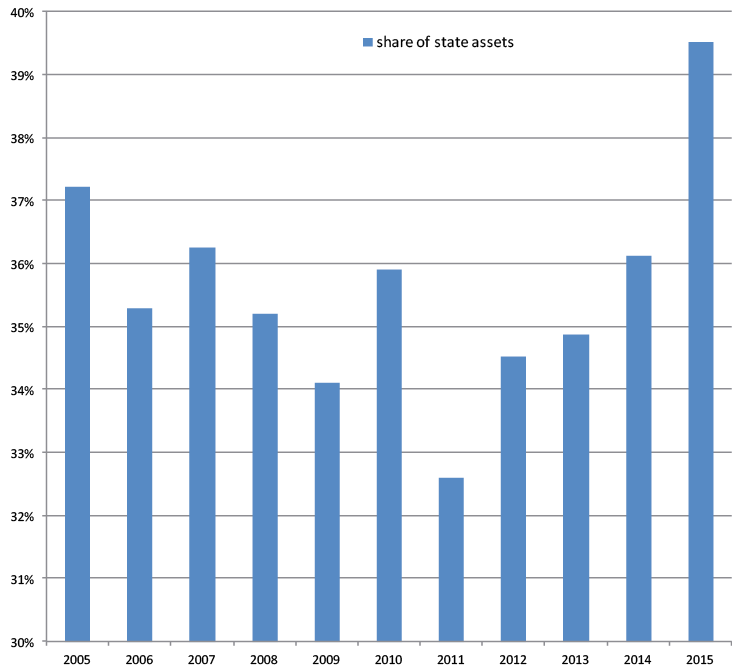
Figure 2.1 Trends in the relative size of state-owned assets (as percentage of total assets in the corporate sector)
Sources: NBS (various issues); authors’ estimates.
An important aspect of government resource allocation is how to accumulate and manage public assets. We can explore the issue from different perspectives. Our estimates indicate that: 1) as of 2015, state-owned assets (including non-financial and net financial assets) accounted for nearly 40 per cent of total assets in the corporate sector (Figure 2.1); 2) in 2015, the government’s sovereign net worth reached about RMB100 trillion (Figure 2.2); and 3) the proportion of general government net wealth in national net wealth is close to one-quarter, in comparison with Germany and Japan, where this ratio is less than 1 per cent, and the United Kingdom and the United States, where this ratio is in fact negative (Figure 2.3). The result is closely related to China’s ownership structure (with the domination of public ownership) and its development stage (government-driven catch-up growth).
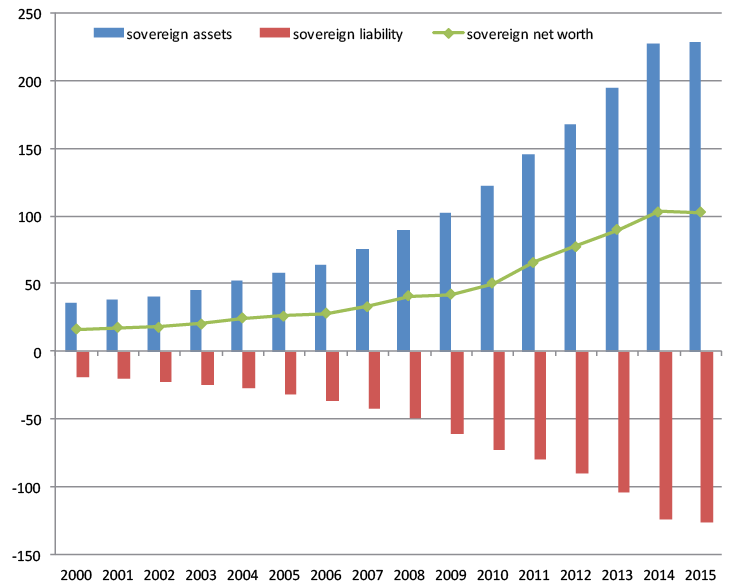
Figure 2.2 China’s sovereign assets, liabilities and net worth (RMB trillion)
Sources: NBS (various issues); authors’ estimates.
From a comparative perspective, the wealth held by the Chinese Government is strikingly large, even by conservative estimates. According to Detter and Folster (2015), a 1 per cent increase in the rate of return on those assets would generate US$750 billion (estimated at US$75 trillion in global public commercial assets) of public revenue. Obviously, this figure does not include large amounts of non-commercial (or non-operating) assets, such as natural resources and assets held by administrative institutions (such as China’s science, education, culture and health institutions). Given the tremendous holdings of economic resources, reforming the government’s role in resources allocation, as well as greater efficiency of resource use, will be an increasingly important aspect of future reforms.
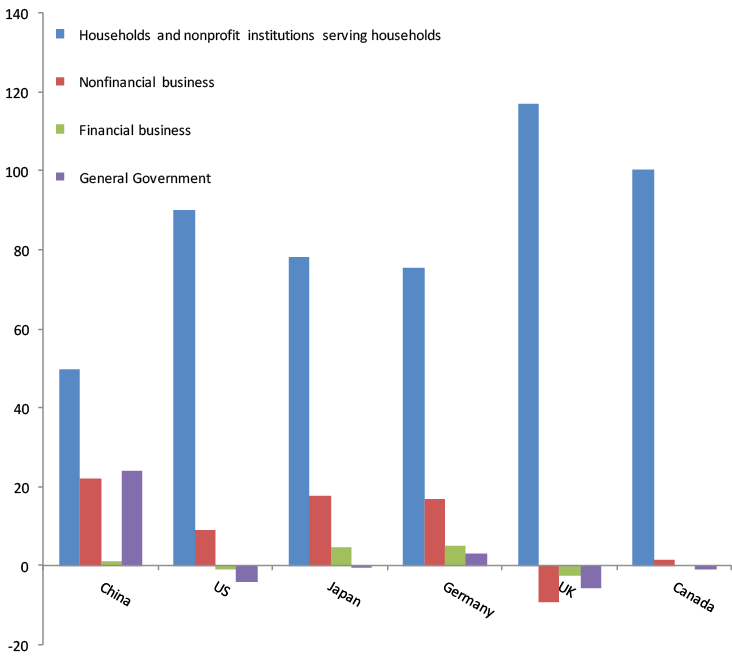
Figure 2.3 International comparison of China’s net worth structure, 2015 (per cent)
Notes: Data for China are from 2013 and from 2014 for other countries. For Canada, non-financial and financial sectors have been consolidated. General government assets in China include state-owned business assets, non-business assets, natural resource assets, foreign assets, social security funds and government deposits at the central bank.
Sources: NBS (various issues); authors’ estimates.
Resources allocated by the Chinese Government include natural resources and resources held by SOEs and public institutions, which are owned on behalf of the state and the people. To address outstanding problems—including market price distortion and the inefficient allocation and insufficient supply of public services—it is necessary to shift allocative decisions away from the state and towards market mechanisms to improve the efficiency and effectiveness of resource allocation.
First, access to and use of natural resources should be based on the establishment of a property rights system. In China, the law clearly stipulates that all natural resources—such as land, minerals, water, forests, mountains, grasslands, wasteland, sea areas, uninhabited islands, beaches and so on—are owned collectively. For this type of public resource, a clear property rights system should be established and the related usage administration improved. In particular, the role of spatial planning in guiding the allocation of natural resources needs more attention. ‘Radio spectrum’ should also be allocated and managed on the basis of market competition and a user-pays system.
Second, the allocation and management of state-owned assets should be reformed. For state-owned financial and non-financial operating assets, it is necessary to establish a sound management system with an emphasis on capital allocation and efficiency, sectoral distribution and investment and withdrawal. To optimise the distribution of state-owned capital, the government should concentrate its efforts in key industries and infrastructure projects that relate to national security, the foundation of the national economy and the people’s livelihood, as well as forward-looking strategic industries and advancing enterprises with core competitiveness. Policymakers should similarly improve the exit mechanism for state-owned capital, explore what is a reasonable proportion for state-owned shareholding in financial institutions and maintain control of financial institutions of systemic importance. The ownership structure of other institutions should be optimised in accordance with the principle of market competition and provide incentives to non-state investment. There is also an increasing need to improve the system of authorisation and franchising of the operations of state-owned capital. Further policy efforts are needed to establish a state-owned asset supervision system with a focus on capital management, to restructure or set up state-owned capital investment and operation companies and to carry out pilot projects in which the government authorises state-owned capital investment and encourages operating companies to fulfil their responsibilities as capital contributors. Policymakers should also keep a focus on capital management, aiming to enhance the liquidity of state-owned capital and actively change the form of public capital, such as securitisation of operating state-owned assets, and also emphasise the role of public capital in the country’s macroeconomic regulation and control, long-term development strategy and the protection of people’s basic livelihoods.
Third, regarding non-operating state-owned assets for the purpose of public administration and public service provision, policymakers should adhere to a principle of fair distribution and actively introduce competition mechanisms to increase allocation efficiency and thus improve the accessibility and fairness of basic public services. Government departments and public institutions should be distinguished by their different functions, as should government administration and business operation. That is, policymakers should clearly define the different functions of the government as a capital owner and as an industry regulator, improve mechanisms for direct resource allocation and strengthen the regulatory functions of departments/institutions in the education, health, social security, culture, sports and other sectors. The government must also be innovative with respect to the supply mode for public services. Policymakers should establish a diversified public service supply system with a focus on government leadership, social engagement, independent operation and public oversight. All localities and departments can expand and improve the supply of public goods and services through franchising and government procurement of services, according to their needs and financial conditions. The government should promote the integration and sharing of non-operating state-owned assets. With clearly defined property rights and accurate assessments of assets and capital, the government needs to abolish the administrative segmentation of departments and build a shared platform for the dissemination of public knowledge, education, health care, culture and other non-material resources.
Improving the property rights protection system
In November 2016, China issued ‘The Opinions of the CPC Central Committee and the State Council on Improving the Protection System of Property Rights and the Protection of Property Rights in Accordance with Law’. The document stresses that the property rights system is the cornerstone of the socialist market economy and that the protection of property rights is an inevitable requirement to adhere to the fundamental socialist economic system. As an old Chinese saying goes, ‘one shall have his (or her) peace of mind when he (or she) possesses a piece of land’, so the effective protection and recognition of the property rights of economic agents serve as the basis of sustainable and healthy socioeconomic development.
A large number of studies from outside China suggest that reform of the property rights system has, to some extent, been ignored in China’s reform process (see, among others, Murphy et al. 1992; Young 2000; Brandt and Rawski 2008). Other studies recognise that China’s property rights system in fact has many distinctive features and that these are open to change as China experiments to find the best property rights structure. First, in an economy dominated by public ownership, the contracting out of property use rights (exemplified especially by the rural household responsibility system (HRS)) has been solidified from the abstract and often ill-defined ownership of ‘whole people’ or ‘collectivity’. Second, making further effort to respecting private ownership of various factors of production, including capital, labour, technology and entrepreneurship. Third, private property rights have been redefined or new forms recognised. The need for further transfers of property to preserve and increase property values has seen the emergence of market transactions. In particular, transfer rights, pricing power, the right to bid and bargaining power have been recognised, and have resulted in the market playing an increasingly important role in resource allocation; the system of central economic planning is gradually being dismantled as well. Fourth, in the framework of the shareholding system, contracts can be concluded for various types of property rights that could be recognised and protected, and corporate enterprises with clear property rights can be established (Zhou 2010).
As China’s reform process continues, challenges with the definition and protection of property rights should not be underestimated. First, regarding the protection of state-owned property rights, the relationship between owners and agents is not clear and there are some problems—such as insider control and related party transactions—that could lead to the loss of state-owned assets. Second, the protection of private property rights also remains weak, and is often encroached on by public power. Third, the protection of intellectual property rights is still weak and infringements are pervasive with low penalties.2 Therefore, the government should focus on the following three factors to improve the property rights protection system.
First, public property rights need to be defined and protected. China’s economic system is dominated by public ownership, with allowances for the development of other types of ownership. Therefore, the protection of public property rights—which involves the protection of land, natural resources and state-owned assets—can be viewed as a fundamental feature of China’s political-economic institutions.
Second, private property rights need to be defined and protected. China’s planned economy has long discriminated against private ownership. Policymakers therefore need to break the ideological constraint of ‘public versus private’ and strengthen the equal protection of property rights for all kinds of economic organisations and agents. The most urgent is to get rid of the ‘original sin’, and to strictly follow the principles of non-retroactivity, nullum crimen sine lege (no crime without law), in dubio pro reo ‘(when) in doubt, for the accused’ and ‘to rectify whatever is wrong’, as well as application of the existing law unless a lesser punishment is stipulated in the new law. In taking the perspectives of history and development, the irregularities of the enterprises, especially private enterprises, should be properly handled in full consideration of their contexts, where the legal system and market institutions were immature. This will strengthen confidence in development and property security and help to stimulate entrepreneurs’ spirit of innovation.
Third, intellectual property rights must be protected. Further work is needed to refine the laws and regulations relevant to intellectual property rights protection, to gradually establish a punitive damages mechanism for intellectual property infringements to prevent infringement behaviour and to improve compulsory remedial measures after infringement. Enforcement of intellectual property rights protection is essential, as is eliminating any arbitrariness and selectivity in such enforcement. The government’s simplistic interventions on patents, specific industrial policies and talent policies must be reduced to promote technological innovation. Policymakers should also gradually improve market incentives, allowing market forces to become the main drivers of growth in patent quantity and quality. The definition and protection of the human capital property rights of scientific and engineering personnel in the public sector must be examined to release the innovative capabilities of scientific researchers.
Policy recommendations and perspectives on reform
The third plenary session of the 18th CPC Central Committee in 2013 outlined a blueprint for China’s reform. Given the success of reforms and the attainment of the ‘two centenary goals’,3 China now needs to focus on the following four factors: 1) further clarifying the direction of reform; 2) promoting the implementation and practical achievement of reform; 3) reconstructing incentive mechanisms to mobilise the enthusiasm of private and public economic agents; and 4) capitalising on the benefits of the reform dividend to achieve sustainable growth.
Further clarifying the direction of reform
China’s process of economic catch-up over more than three decades has been accompanied by a variety of distortions,4 including price distortions in favour of industrial products, financial repression, trade protection and industrial policy with the intention of infant industry protection. Broadly speaking, distortions can be viewed as different forms of government intervention. There is an extensive literature on the role of government in economic development. A prime example is the study of the ‘developmental state’, which refers to government playing an extremely proactive role in promoting economic growth through strong and direct intervention, including extensive regulation and planning (see Johnson 1982; Woo-Cummings 1999). Governments in East Asia, including China, are typical of those in the developmental state. Interestingly, we can also find a parallel but much earlier strong push from the hand of government in most developed countries in their early stages of development, such as mercantilist Holland and the United Kingdom in the sixteenth to eighteenth centuries and emerging Germany and the United States in the late nineteenth century.
The role of distortion, either positive or negative, is closely related to the economy’s development stage. When an economy is in an early stage of development—characterised by an immature industrial system, imperfect market mechanisms and unfavourable international competition—intensive policy distortions are often required to mobilise economic resources, foster domestic industries and assist the formation of comparative advantages. As the economy enters a higher income stage of development—characterised by a more mature industrial system and sound market mechanisms—too much policy distortion is no longer conducive to the efficient allocation of economic resources and often results in changes in incentives and behaviour through ‘rent-seeking’ for public power. This then serves to inhibit innovation and the sustainability of growth. Zhang et al. (forthcoming) support the above argument with evidence from international and Chinese experiences. The recent study of Bardhan (2016) also confirms this view.
Although many agree about the reduction or elimination of policy distortions and interventions, there are still some controversies and ambiguities on the topic. For example, when it comes to allowing the market to play a decisive role in resource allocation and improving the government’s role, some thinking remains unclear on how to deal with the relationship between the market and government.
With the Central Committee having clearly outlined the general direction of China’s reform, the challenge now is how to achieve practical results. First, however, some basic theoretical questions remain unanswered. For example, the aforementioned twofold emphasis on allowing the market to play a decisive role in resource allocation and improving the government’s role may not only lead to a more balanced relationship between the market and government, but also throw up substantial obstacles to the promotion of reform in practice. Different departments, interest groups and social classes will have their own interpretation of this argument, with some emphasising the market and others the government. As an example, the recent fierce debate on industrial policy in China shows that consensus has not yet been reached on the issue of the market–government relationship.5
Defining the respective boundaries of the market and government is a practical matter (which is the case in both developed and developing economies); however, if, in theory, some ‘moderate distortions’, albeit ill defined, are believed necessary during the catch-up stage, such distortions will appear pervasively. Indeed, ‘improving the government’s role’ mainly implies that the government cannot be absent from its essential functions—for example, providing public goods, fairness, justice and good governance. China’s economy on a per capita level is currently moving from middle income towards the high-income level. Only by eliminating all remaining distortions during the catch-up period can China better promote sustainable development. In this sense, China needs ‘limited’ government that follows the logic of the market and serves the market. Therefore, policymakers need to further clarify and highlight the decisive role of the market in the next stages of reform.
Promoting reform plans
In his book An Economist in the Real World: The art of policymaking in India, Basu (2015) argued that although former prime minister Jawaharlal Nehru and other leaders in India participated in the development of economic planning, they were concerned more with the quality of the wording than with the content of the plan. It is not surprising, then, that South Korea worked out the most effective method of planning, while India’s planning is written with the most literary grace.
And yet, it is also possible that the wording of China’s reform plans is also a literary effort (even better than India’s). The issue is how to promote these texts so they can be implemented in practice. The phenomenon of the ‘implementation of documents by documents’ is not uncommon, and worries about incompetence in implementing reforms are also pervasive. Among many factors leading to difficulties in the implementation of reform plans, the following should receive more attention from policymakers.
First, the dividends of reform are not fully understood. Structural reform—through which China could achieve real dividends—is not a substitute for economic growth, but is a catalyst or even prerequisite for growth. However, this argument has not yet been widely recognised and the incentives for reform are often weak and incompatible. For a long time, there has been a view both in China and abroad that there is a waxing and waning relationship between reform and growth—such that economic growth should be sacrificed to achieve breakthroughs in reform. In view of this, for government departments or local governments concerned about the pace of growth, the stimulus strategies on the demand side are usually visible in terms of the means of implementation, and the results or outcomes are often rapid. The policy tools also correspond to their effects quite well. On the contrary, for structural reform of the supply side, policy instruments seem to be invisible and there is no clear correspondence between the policy tools and their effects.
Second, the various incentives for reform are often incompatible. Due to the lack of appropriate standards with which to define the responsibilities of government at different levels, many reforms involving costs and benefits that need to be shared appropriately across all levels have not yet begun. Even if the economic agents understand that they can benefit from reform in principle, there is inconsistency as to which bodies will bear the reform-related costs and which will enjoy the benefits; therefore, some departments and localities have a wait-and-see attitude towards reform due to the asymmetry between cost and benefit. To some extent, this is also the case in countries other than China; thus, when promoting structural reforms, there is a need for persuasion and specific institutional arrangements to achieve incentive compatibility (Rajan 2004). In some areas of reform in China, such as that of the household registration system (hukou), a proper mechanism for sharing the expected costs and benefits is the key to promoting timely reform.
The third area for attention is deviation from the reform roadmap. In the presence of the above obstacles, reform initiatives in some areas are likely to be avoided, delayed, deformed or distorted in disregard of the original intention of the reform, so reform in practice deviates from the timetable set out by the CPC Central Committee. Related problems include: 1) when deciding on the balance between a supply-side structural reform program and a demand-side stimulus plan, some promoters prefer the latter, which is relatively easy to implement, thus creating a dependence on stimulus policies that results in the delay of structural reform. 2) Some reform officials focus only on statistics and indicators—which are crucial for government performance assessment and thus officials’ prospects for promotion (meeting related political goals)—rather than on deep reform of institutions and mechanisms. As a result, even if some old problems can be temporarily resolved, the institutional flaws left untouched will create new problems. 3) Some reform promoters tend to avoid the important problems and focus on the trivial ones, and even count quotidian and routine management activities as reform initiatives. As a result, they have failed to fundamentally reform the existing institutional system and mechanisms, which, in particular, protect vested interests.
In short, to promote reform plans and achieve practical results, Chinese policymakers need to improve the public’s understanding of the benefits or dividends of and costs associated with reform, and reach a consensus on the direction of reform across all levels of government and society. Policymakers should appeal to a sense of responsibility, political courage and perseverance to ensure further reform efforts. They should welcome experimentation and innovation at the grassroots level and promote positive interaction with top-level reform designs. They should encourage differentiated pilot programs and reform experiments in different regions and respond to people’s concerns, especially the difficulties in their lives, by promoting targeted reform measures. They should also ensure the compatibility of incentives, so that government departments, localities and ordinary people can benefit from reform.
Restructuring the incentive mechanism
Thanks to strict governance by the CPC, its tough stance on corruption and the establishment of rules and regulations, solid regulatory mechanisms have gradually been established since the 18th CPC National Congress and, particularly, the third plenary session of the 18th CPC Central Committee. This is an important achievement; however, an appropriate incentive mechanism, which is also necessary for the success of reform, is still in the making.
First, in principle, competition among localities can continue to play a positive role in boosting market dynamics and economic development. In the past four decades, interregional competition and local vitality have underpinned China’s economic success, which is also recognised internationally as an important component of the ‘Chinese characteristics’ defining its system. But the same institutional competition has produced a series of adverse impacts, such as vicious competition, local protectionism and market segmentation, structural distortion, homogenisation of development, overcapacity and so on. In view of this, China should redirect local competition—shifting from competition for gross domestic product (GDP) to competition for public goods and services. It is widely argued that until now local competition in China has centred on GDP growth performance. In the process of rapid urbanisation in recent years, the provision of public goods and services—including public security, education, health care, community services, social security and social housing—has become a ‘short board’ for socioeconomic development. Therefore, policymakers should focus on the type, quantity and quality of public goods and services to assess the performance of local governance and, in so doing, foster a new type of local competition for this new phase of development. In addition, evaluation of local government performance should be gradually shifted from a ‘top-down’ to a ‘bottom-up’ approach. If the past competition for GDP was mainly evaluated through a top-down approach, competition for public services needs to be evaluated through a bottom-up approach—because ordinary people should have a say about these public services. A bottom-up approach would also rely on the supervision of local people’s congresses, the Chinese People’s Political Consultative Conference (CPPCC), the media and independent third parties. The central–local government relationship must also be restructured in terms of establishing rights and responsibilities and setting up mechanisms for compatible incentives. At present, local government expenditure makes up about 80 per cent of total public expenditure, while local revenue is only about 40 per cent of the total. This mismatch leads to problems, such as land-based public finance, local debt risks and so on. Local government should therefore be provided with a greater range of sources of tax revenue, such as taxes on real estate and household consumption, and an increased proportion of the revenue from value-added tax (VAT). Local issuance of bonds should also be allowed. Local government power over legislation should be enhanced to facilitate the exercise of discretion over local matters.
Second, entrepreneurship should be stimulated and protected. ‘Original sin’ must be tackled and private property rights protected. A new type of government–business relations must be established so that entrepreneurs can more clearly follow the rules of the game. From a government perspective, it should improve its role in creating an environment conducive to enterprise development. On the one hand, the Chinese Government needs to treat enterprises with different ownership structures equally, create a legal environment to protect the legitimate rights and interests of entrepreneurs and accelerate the formation of a market environment conducive to fair competition and business integrity. Information exchange and communication with entrepreneurs, especially those in the private sector, should also be strengthened, and the streamlining of administration and institutional decentralisation should continue, to provide efficient and pragmatic quality services and practical solutions for businesses and entrepreneurs. On the other hand, it is necessary to make a clear distinction between public and private interests in the interaction between entrepreneurs and government officials. In particular, the latter should not abuse their power for personal gain or engage in collusion between power and money. Nor should they shift responsibility on to others. The income distribution system must be improved to enable entrepreneurs to take risks equivalent to their potential gains. Indeed, by taking a greater risk in the innovation process, entrepreneurs can be viewed as a kind of scarce resource. Therefore, China should also further improve mechanisms for long-term incentives so that the gains of entrepreneurs are matched with their contribution to innovation and management, as well as with their responsibilities and risks. There should be greater tolerance for and encouragement of innovation by entrepreneurs. Although the entrepreneurial spirit—especially the spirit of innovation—often manifests as unusual thoughts and behaviour, as long as these are within legal boundaries, they should be respected. In particular, the government needs to create an atmosphere of respect for and encouragement of private innovation and entrepreneurship. Fundamentally, the Chinese Government needs to establish a legal system that protects the rights of entrepreneurs and recognises their contribution.
Third, policymakers should ensure that people benefit sufficiently from any reform dividends. Ordinary people should be allowed to participate in and share more of the gains of reform (a recent field study in Jiangxi province by the authors found that, in some regions, poverty levels and poverty-reduction efforts are basically determined by the government and local people have little say). The reason past reforms were promptly promoted lies in the fact that they brought substantial benefits to most people as well as opportunities for equal participation and development. This is the fundamental driving force for reform that is supported by the majority of people. For the comprehensive deepening of reforms, the government needs to make its starting point the promotion of social equity and justice and the enhancement of the wellbeing of the general public. Therefore, it is necessary to establish fair and effective institutional mechanisms so the dividends of reform and the fruits of development can be shared equitably among all people. To achieve this, first, the government should protect the interests of the poor and low-income individuals and families, so they have greater access to opportunities for development through and as a result of reform; and second, it must allow the gradual expansion of the middle class and give it greater space for development. The government should also protect the legitimate interests of the high-income group and create a better development environment to give them incentives to invest and innovate. It is important to actualise the full potential of different social groups and allow labour, knowledge, technology, managerial expertise, capital and other sources of wealth to play their full part in invigorating the market, thereby ensuring that all social groups can benefit from, and thus support, the reform process.
Achieving sustainable growth through reform dividends
In the new normal era of China’s economic development, the country confronts a decline in its potential growth rate. How to benefit from continued reform and improve the potential growth rate are key issues for achieving sustainable economic growth in China.
In theory, there are two ways to increase the potential growth rate. The first is to maintain the traditional growth momentum. This does not mean maintaining the traditional model of growth, which was driven by factor accumulation, but rather means focusing on the exploration of potential production factors, especially the potential supply of labour (namely, to extend the demographic dividend). The second is to develop new drivers of economic growth. This is mainly about increasing human capital accumulation and total factor productivity (TFP) growth. Both these sources of economic growth are related to reform dividends and embody the following aspects.
First, the participation rate of workers in sectors of high productivity needs to be increased. Indeed, almost all the factors causing China’s economic slowdown can be attributed to the fading of China’s demographic dividend, meaning there is no longer an unlimited supply of new (and low-cost) labour. Thus, increasing the supply of labour in productive sectors can help alleviate the decline in the potential growth rate. As a result of changes in the population age structure, not only is the working-age population (those aged 15–59 years) now decreasing, but also current labour force participation rates suggest the growth rate of the economically active population will be negative after 2018. That is, after that point, it will be difficult to increase the size of the total labour force. The only way to increase the potential supply of labour will be to improve the labour participation rate. Due to the size of China’s working-age population, an increase of 1 per cent in the labour force participation rate in 2015 would have corresponded to more than nine million active workers. Simulation shows that across the period 2011–22, if the labour participation rate of the non-agricultural sector increases by 1 per cent per year, China will increase its potential growth rate by 0.88 per cent (Cai and Lu 2013). With this prospect in mind, we think the most important measures to improve the labour force participation rate include reform of the household registration system and improvements in urbanisation, both of which would help to stabilise and improve the employment of migrant workers in the urban economy and non-agricultural industries.
Second, population policies could increase the total fertility rate and establish a balanced population age structure in the future. Chinese President Xi Jinping has asked the country to ‘stand on the strategic height of the long-term development of the Chinese nation and promote the balanced development of the population’.6 According to international and Chinese experience, a decline in fertility is a typical result of economic and social development, and fertility policy itself plays a role only at the margins in most cases. For 35 years from the early 1980s, China implemented its ‘one-child’ family planning policy. Recent reforms to this policy now allow two children per family and are expected to significantly raise the fertility rate over time. It is hoped this adjustment to fertility policy is able to increase, or at least slow the decrease of, the fertility rate, which is currently believed to be about 1.5, and move it towards a balanced replacement level—namely 2.1. Policy simulations show that, if the fertility rate increases to 1.8 from the benchmark rate of 1.6, the potential growth rate in the period 2036–40 could be increased by 0.2 per cent (Cai and Lu 2016). It is worth noting that reform aiming to balance population development should not be limited to fertility policy adjustments. It also requires improving the supply of public services and reducing the financial burden of raising children to allow people to decide the number of children they have in accordance with policy requirements.
Third, there is a need to maintain a reasonable pace of human capital accumulation. As shown in the experiences of East Asian economies, economic development characterised by structural transformation is often followed by a stage of development driven by human capital accumulation. One of our research simulations (Cai and Lu 2016) shows that, under some scenarios with improved human capital due to development of education and training, China’s future potential growth rate could increase by about 0.1 per cent. This number cannot be ignored for China, which is seeking to maintain medium–high growth in the new normal era. Moreover, our simulations consider only the quantity of human capital. If the quality of education is taken into account, the effect of human capital on economic growth will become more significant, and could even surpass the contribution to economic growth of productivity progress (Manuelli and Seshadri 2005).
Fourth, further policy efforts should be made in favour of the rate of TFP growth, thereby obtaining a more sustainable source of growth. The theoretical literature and empirical analysis (e.g. Cai and Lu 2016) show that although an increase in the labour participation rate will help boost the potential growth rate, that impact gradually diminishes over time. By contrast, the contribution of TFP growth to potential growth is not only immediately effective, but also endures over the long term. Growth in China is approaching that of the neoclassical model. On the one hand, China’s economy is increasingly dependent on scientific and technological innovation to maintain its sustainability; on the other, there is still plenty of room to improve the efficiency of resource allocation by eliminating institutional barriers. Our simulation shows that if the average annual growth rate of TFP increases by 1 per cent over 2011–22, the rate of potential growth will increase by 0.99 per cent over the same period (Cai and Lu 2013).
Based on the hypothetical contribution of reform of the household registration system, the education and training system, SOEs and population policies, as well as changes to the labour participation rate, human capital accumulation and TFP, we considered different scenarios that could generate reform dividends. We find that different intensities of reform will produce significantly different growth trajectories in both the short and the long term (Figure 2.4).
As for long-term growth prospects, Figure 2.4 illustrates that, on the one hand, we should not expect a V-shaped recovery that is attributed to cyclical (short-term) factors. On the other hand, under the different assumptions about supply-side structural reform, the growth prospects also differ. Looking at Figure 2.4 from left to right, and comparing the benchmark scenario without effective reform initiatives, we can conclude that there is a positive correlation between in-depth reform and growth performance and, moreover, that the deeper the reform, the more likely it is that growth follows an L-shaped trajectory.
In sum, as China’s economy transitioned into the ‘new normal’—characterised by economic slowdown and other socioeconomic structural changes—its market-oriented reform program encountered new challenges and opportunities. In this new context, how to achieve sustainable growth via the promotion of reform becomes an issue of primary importance. With these considerations in mind, this chapter has examined some emerging features of China’s economy in the new era, with an emphasis on adjustment of interest structure and reforms of non-Pareto improvement. The current study also discusses some policy issues regarding reforms and sustainable growth, which include top-level design and grassroots innovation, legal reforms, government restructuring, local competition and property rights protection. Finally, this chapter concludes that the best way for China to capture reform dividends is to further clarify the direction of its reform program, promote pragmatic reforms and restructure incentive mechanisms to mobilise the enthusiasm of the whole society.
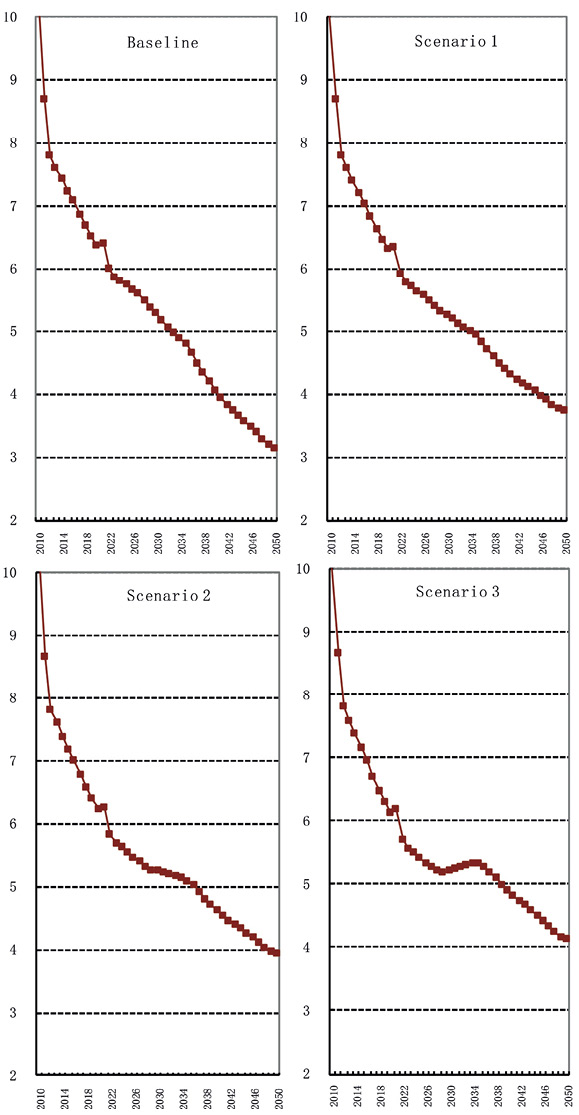
Figure 2.4 Supply-side structural reform and growth scenarios
Source: Cai and Lu (2016).
References
Bardhan, P. (2016), State and development: The need for a reappraisal of the current literature, Journal of Economic Literature 54(3): 862–92. doi.org/10.1257/jel.20151239.
Basu, K. (2015), An Economist in the Real World: The art of policymaking in India, Cambridge, Mass.: MIT Press. doi.org/10.7551/mitpress/9780262029629.001.0001.
Brandt, L. and Rawski, T. G. (eds) (2008), China’s Great Economic Transformation, Cambridge: Cambridge University Press.
Burke, E. (1986 [1790]), Reflections on the Revolution in France, Reprint, London: Penguin Classics.
Cai, F. and Lu, Y. (2013), The end of China’s demographic dividend: The perspective of potential GDP growth, in R. Garnaut, F. Cai and L. Song (eds), China: A New Model for Growth and Development, pp. 55–74, Canberra: ANU E Press.
Cai, F. and Lu, Y. (2016), Take-off, persistence, and sustainability: The demographic factor in Chinese growth, Asia & the Pacific Policy Studies 3(2): 203–25. doi.org/10.1002/app5.139.
Deng, X. (1993), Deng Xiaoping Wenxuan. Volume 3, Beijing: Renmin Publishing House.
Detter, D., and Folster, S. (2015), The Public Wealth of Nations, London: Palgrave Macmillan.
Global Intellectual Property Center (2016), Infinite Possibilities: US Chamber International IP Index, 4th edition, Washington: US Chamber of Commerce.
Johnson, C. (1982), MITI and the Japanese Miracle, Stanford, CA: Stanford University Press.
Kasper, W. and Streit, M. E. (1999), Institutional Economics: Social order and public policy, Cheltenham, UK: Edward Elgar.
Lau, L., Qian, Y., and Roland, G. (2000), Reform without losers: An interpretation of China’s dual-track approach to transition, Journal of Political Economy, 108 (1): 120-143.
Li, X., Liu, X. and Wang, Y. (2014), A model of China’s economic growth, China Journal of Economics 1(4): 1–48.
Manuelli, R. E. and Seshadri, A. (2005), Human capital and the wealth of nations, manuscript, Department of Economics, University of Wisconsin, Madison, May.
Manyika, J., Woetzel, J., Dobbs, R., Remes, J., Labaye, E. and Jordan, A. (2015), Global growth: Can productivity save the day in an aging world? Report, January, McKinsey Global Institute, New York.
Murphy, K. M., Shleifer, A. and Vishny, R. W. (1992), The transition to a market economy: Pitfalls of partial reform, Quarterly Journal of Economics 107(3): 889–906. doi.org/10.2307/2118367.
National Bureau of Statistics of China (NBS) (various issues), China Statistical Yearbook, China Statistics Press.
Rajan, R. (2004), Why are structural reforms so difficult? Finance & Development, June: 56–7.
Woo-Cummings, M. (ed.) (1999), The Developmental State, Ithaca, NY: Cornell University Press.
Young, A. (2000), The razor’s edge: Distortions and incremental reform in the People’s Republic of China, Quarterly Journal of Economics 115(4): 1091–135. doi.org/10.1162/003355300555024.
Zhang, X., Li, C. and Li, Y. (forthcoming), Distortions, catching-up growth and middle income trap, ADBI Working Paper, Asian Development Bank Institute, Tokyo.
Zhou, Q. (2010), Zhonguo Jingji Zengzhang de Jichu (The foundation of the economic growth in China, Journal of Beijing University (Philosophy and Social Sciences), vol. 1.
2 As an example, we refer to a recent report released by the Global Intellectual Property Center (2016), which measures efforts in the legal enforcement of intellectual property rights in the 38 economies including China, United States, the United Kingdom, and India. On a scale in which the highest score is 6, China’s law enforcement efforts were given 1.51 points, ranking it the 31st of 38 countries. In the context of weak intellectual property rights protection, imitation becomes the norm for enterprises’ ‘innovation’, and even piracy and counterfeiting can become common—cultivating a cultural atmosphere in which intellectual property rights are not respected.
3 See Hu Jintao’s Report at 18th CPC National Congress, held in November 2012. For an English translation of the report, see: news.xinhuanet.com/english/special/18cpcnc/2012-11/17/c_131981259.htm.
4 In economics, the standard definition of distortion is deviation from the optimal equilibrium state of the market.
5 See a news report on the debate between Yifu Lin and Weiying Zhang, two economists of influence in China. Available from: finance.sina.com.cn/roll/2016-09-26/doc-ifxwevmf2320320.shtml [in Chinese].
Previous



